This did not start as fear but it is starting to feel real
This did not start as fear but it is starting to feel real
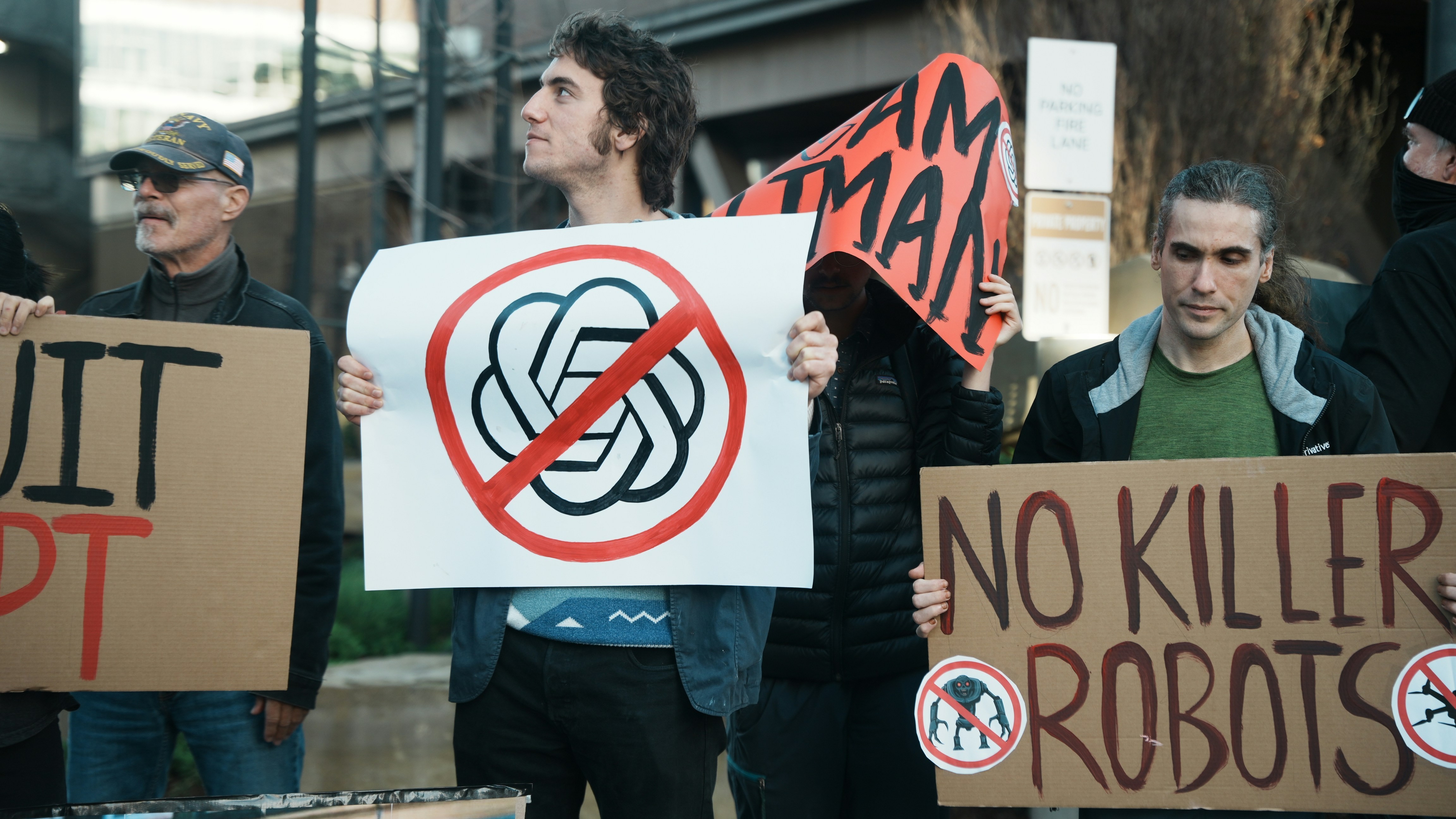
Hey guys, so here’s the situation… one minute you’re learning, practicing, trying to get better at what you do, and the next minute AI shows up doing ten versions of your work before you even finish your first draft and now everyone is asking the same question, just in different ways… is this helping us or quietly replacing us.
Yeah… today we’re talking about the AI controversy. The whole humans vs AI conversation that keeps showing up everywhere. Who’s better, who’s faster, who’s more creative, and what happens to people who still care about that human touch instead of something that feels a little too perfect, a little too clean, a little too… predictable. Because let’s be honest, a lot of us are not scared of AI itself, we’re scared of what it might slowly change about how we create, how we work, and how much any of it will still feel like us.
Hey guys, so here’s the situation… one minute you’re learning, practicing, trying to get better at what you do, and the next minute AI shows up doing ten versions of your work before you even finish your first draft and now everyone is asking the same question, just in different ways… is this helping us or quietly replacing us.
Yeah… today we’re talking about the AI controversy. The whole humans vs AI conversation that keeps showing up everywhere. Who’s better, who’s faster, who’s more creative, and what happens to people who still care about that human touch instead of something that feels a little too perfect, a little too clean, a little too… predictable. Because let’s be honest, a lot of us are not scared of AI itself, we’re scared of what it might slowly change about how we create, how we work, and how much any of it will still feel like us.
Not just tools this is a shift in how work gets valued
Not just tools this is a shift in how work gets valued

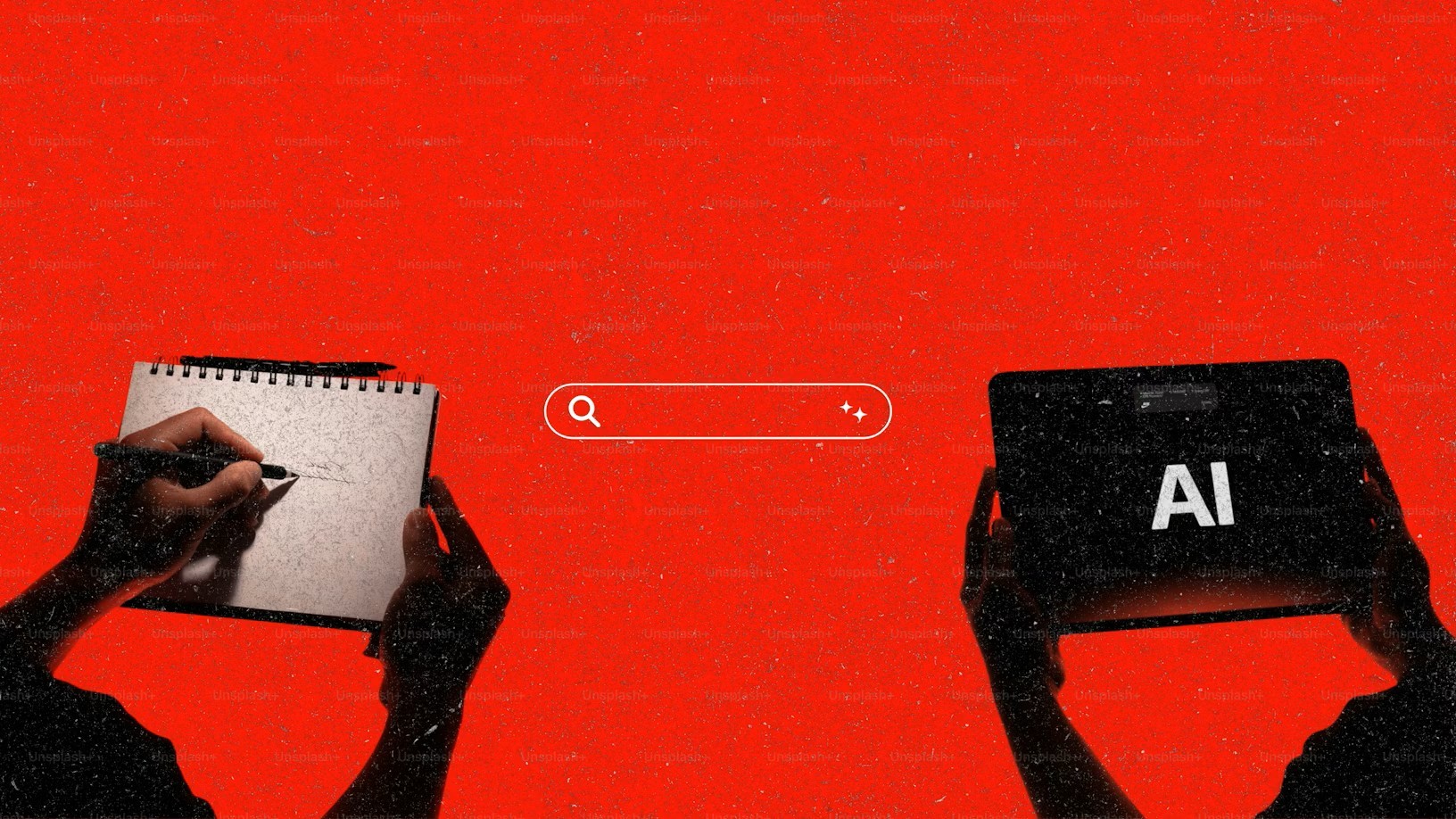
So let’s actually break it down properly because most people hear AI and immediately think of ChatGPT, AI images, voice clones, or those slightly scary realistic videos online. And yes, those are part of it, but that is not the full picture. AI at its core is not some all knowing creative genius sitting in a dark room waiting to replace you. It is a system trained on massive amounts of data, text, images, code, patterns, all created by humans over time. Think of it less like a human brain and more like a very advanced pattern recognition machine. It does not “think” the way we do, it predicts. Based on everything it has seen, it figures out what is most likely to come next, whether that is a word, a design layout, or a piece of code.
Now imagine this. Instead of a chef with a recipe book, think of AI as a librarian with access to millions of cookbooks at once. Not just one person’s recipes, but recipes from everywhere, different styles, different cultures, different approaches. When you ask it for something, it does not invent from nothing. It searches through patterns it has learned, finds connections, and assembles something that fits your request. That is what people mean when they talk about training data and models. The “intelligence” is really about how well it can map your input to patterns it has already seen and recombine them in a useful way.
So what makes a human different then Because this is where things start to get uncomfortable. A human can decide to break the rules completely. A chef can wake up one day and say I am going to combine flavors that make no sense and somehow turn it into something new. That leap, that weird instinct, that personal taste, that is not something AI truly owns. AI can remix, refine, accelerate, but it does not have lived experience, emotion, or intention the way we do. It does not care if something feels meaningful, it only cares if it matches the pattern well enough to work.
So let’s actually break it down properly because most people hear AI and immediately think of ChatGPT, AI images, voice clones, or those slightly scary realistic videos online. And yes, those are part of it, but that is not the full picture. AI at its core is not some all knowing creative genius sitting in a dark room waiting to replace you. It is a system trained on massive amounts of data, text, images, code, patterns, all created by humans over time. Think of it less like a human brain and more like a very advanced pattern recognition machine. It does not “think” the way we do, it predicts. Based on everything it has seen, it figures out what is most likely to come next, whether that is a word, a design layout, or a piece of code.
Now imagine this. Instead of a chef with a recipe book, think of AI as a librarian with access to millions of cookbooks at once. Not just one person’s recipes, but recipes from everywhere, different styles, different cultures, different approaches. When you ask it for something, it does not invent from nothing. It searches through patterns it has learned, finds connections, and assembles something that fits your request. That is what people mean when they talk about training data and models. The “intelligence” is really about how well it can map your input to patterns it has already seen and recombine them in a useful way.
So what makes a human different then Because this is where things start to get uncomfortable. A human can decide to break the rules completely. A chef can wake up one day and say I am going to combine flavors that make no sense and somehow turn it into something new. That leap, that weird instinct, that personal taste, that is not something AI truly owns. AI can remix, refine, accelerate, but it does not have lived experience, emotion, or intention the way we do. It does not care if something feels meaningful, it only cares if it matches the pattern well enough to work.
If you know how to use it you are already ahead
If you know how to use it you are already ahead
But now let’s bring it back to design because this is where it gets real. Designers in this AI era are not necessarily going to be forced out, but the rules are shifting. The industry is slowly caring less about how you got to the result and more about what you can deliver and how fast you can deliver it. That is the uncomfortable truth. Speed matters more. Output matters more. Being able to produce consistently matters more. And AI fits perfectly into that system because it reduces the time it takes to go from idea to execution.
And this is where a lot of people panic and think okay so what is the point of me then But here is the part people miss. AI is not replacing designers, it is changing what being a good designer looks like. The designers who struggle the most will be the ones who only rely on process without adapting. The ones who grow will treat AI like a tool, not a competitor. Think of AI as that librarian again. It can pull references, generate ideas, suggest layouts, even write code for interfaces. But it still needs direction. It still needs taste. It still needs someone to decide what is good and what is not.
Tools like Claude, Stitch, and Lovable are already pushing this forward. You can describe a UI and get a working version. You can sketch an idea and see it turn into something functional. That used to take hours or days, now it can take minutes. And yes, that is scary, but it is also powerful if you know how to use it properly. Instead of spending all your time building from scratch, you can spend more time refining, improving, and making decisions that actually matter.
But now let’s bring it back to design because this is where it gets real. Designers in this AI era are not necessarily going to be forced out, but the rules are shifting. The industry is slowly caring less about how you got to the result and more about what you can deliver and how fast you can deliver it. That is the uncomfortable truth. Speed matters more. Output matters more. Being able to produce consistently matters more. And AI fits perfectly into that system because it reduces the time it takes to go from idea to execution.
And this is where a lot of people panic and think okay so what is the point of me then But here is the part people miss. AI is not replacing designers, it is changing what being a good designer looks like. The designers who struggle the most will be the ones who only rely on process without adapting. The ones who grow will treat AI like a tool, not a competitor. Think of AI as that librarian again. It can pull references, generate ideas, suggest layouts, even write code for interfaces. But it still needs direction. It still needs taste. It still needs someone to decide what is good and what is not.
Tools like Claude, Stitch, and Lovable are already pushing this forward. You can describe a UI and get a working version. You can sketch an idea and see it turn into something functional. That used to take hours or days, now it can take minutes. And yes, that is scary, but it is also powerful if you know how to use it properly. Instead of spending all your time building from scratch, you can spend more time refining, improving, and making decisions that actually matter.
Ignore it or depend on it too much both can cost you
Ignore it or depend on it too much both can cost you
Now here is the real question that nobody wants to answer honestly. Do users actually care how something was made Or do they just care that it works, feels good, and solves their problem Most of the time, they care about the result. They care about speed, clarity, and experience. Not whether you spent ten hours perfecting a layout or generated a starting point in two minutes. And that is where the shift is happening. The value is moving from effort to outcome.
But at the same time, there will always be space for people who care deeply about craft. The ones who go beyond just making things work and focus on making things feel right. Those are the designers who will stand out. Because when everything becomes faster and easier to produce, taste becomes the differentiator. Anyone can generate something decent. Not everyone can recognize what is truly good.
Now here is the real question that nobody wants to answer honestly. Do users actually care how something was made Or do they just care that it works, feels good, and solves their problem Most of the time, they care about the result. They care about speed, clarity, and experience. Not whether you spent ten hours perfecting a layout or generated a starting point in two minutes. And that is where the shift is happening. The value is moving from effort to outcome.
But at the same time, there will always be space for people who care deeply about craft. The ones who go beyond just making things work and focus on making things feel right. Those are the designers who will stand out. Because when everything becomes faster and easier to produce, taste becomes the differentiator. Anyone can generate something decent. Not everyone can recognize what is truly good.
So whatever path you choose, whether you lean fully into AI or take a more traditional approach, the important thing is to be intentional. Do not ignore it, because it is not going anywhere. Do not depend on it completely, because that is how you lose your edge. Use it where it helps, question it where it falls short, and keep building your own sense of judgment.
At the end of the day, this is not really humans vs AI. It is humans with AI vs humans without it. And the gap between those two is only going to grow.
So yeah… no pressure or anything. Good luck out there designers, and please come back, because we are definitely not done talking about this.
So whatever path you choose, whether you lean fully into AI or take a more traditional approach, the important thing is to be intentional. Do not ignore it, because it is not going anywhere. Do not depend on it completely, because that is how you lose your edge. Use it where it helps, question it where it falls short, and keep building your own sense of judgment.
At the end of the day, this is not really humans vs AI. It is humans with AI vs humans without it. And the gap between those two is only going to grow.
So yeah… no pressure or anything. Good luck out there designers, and please come back, because we are definitely not done talking about this.