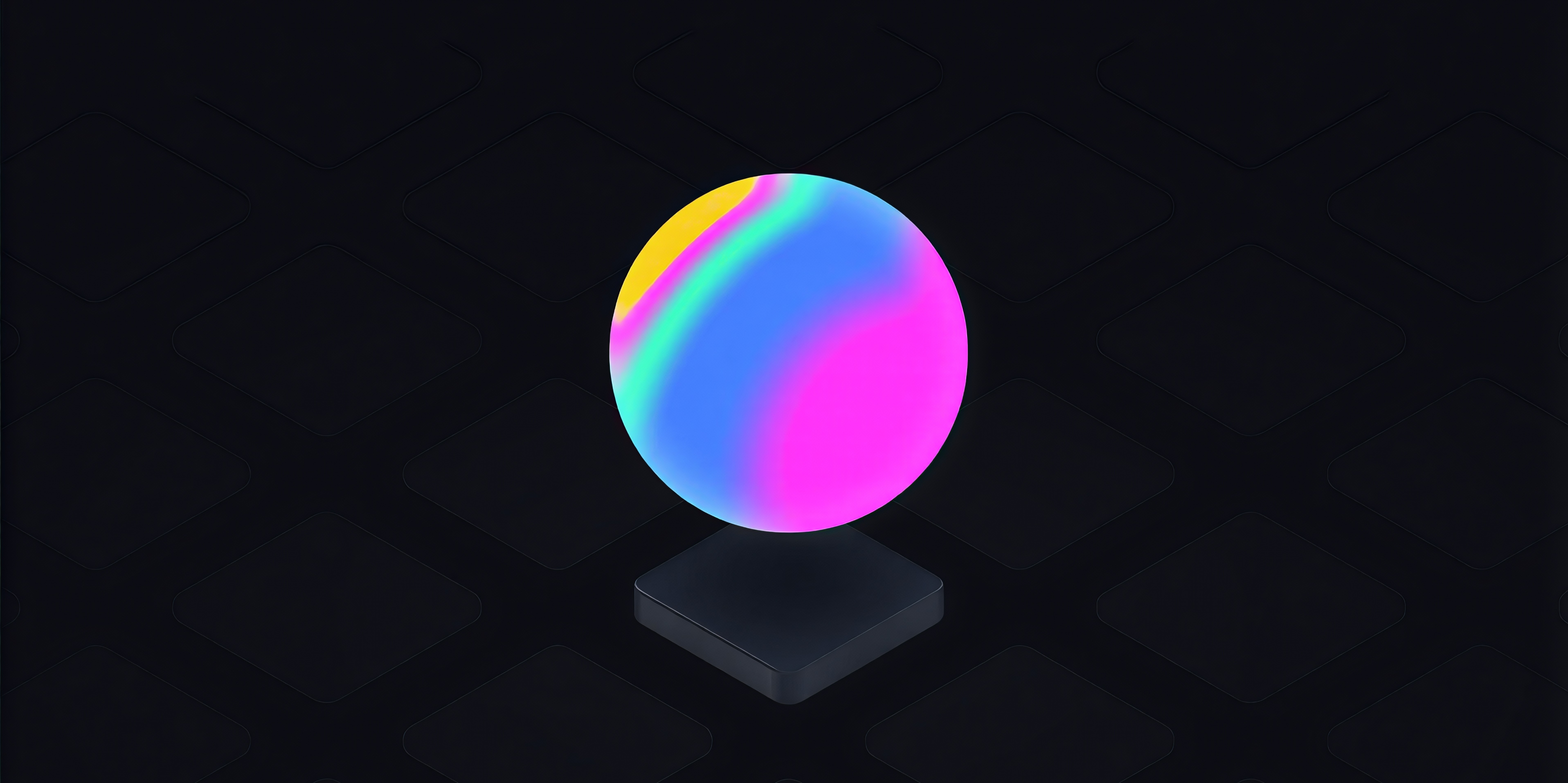
This tool turned normal websites into something you can actually feel
This tool turned normal websites into something you can actually feel
Hey guys, let’s be honest for a second… when was the last time you opened a website and actually felt something beyond “okay this looks clean”? Like not just “nice colors” or “good layout,” but something that actually made you pause for a second. Because for the longest time, the web has been stuck in this cycle where everything is polished, everything is minimal, everything is “good”… but nothing really sticks. You scroll, you nod, you leave. That’s it. Then out of nowhere, Spline starts showing up in places you don’t expect.
First it’s a portfolio, then a landing page, then another one, then suddenly you’re seeing full on interactive objects on websites that move with your cursor, react to your scroll, almost like they’re aware you’re there. And now the experience feels different. It feels less like you’re browsing and more like you’re exploring. Not just animations playing in the background, but actual elements you can touch, rotate, hover over, and interact with. And the craziest part is it didn’t come in with hype or noise. No big announcement that shook everything. It just quietly slipped in, started doing its thing, and now designers everywhere are looking at their work like… wait, are we still making flat pages while this is happening?
Hey guys, let’s be honest for a second… when was the last time you opened a website and actually felt something beyond “okay this looks clean”? Like not just “nice colors” or “good layout,” but something that actually made you pause for a second. Because for the longest time, the web has been stuck in this cycle where everything is polished, everything is minimal, everything is “good”… but nothing really sticks. You scroll, you nod, you leave. That’s it. Then out of nowhere, Spline starts showing up in places you don’t expect.
First it’s a portfolio, then a landing page, then another one, then suddenly you’re seeing full on interactive objects on websites that move with your cursor, react to your scroll, almost like they’re aware you’re there. And now the experience feels different. It feels less like you’re browsing and more like you’re exploring. Not just animations playing in the background, but actual elements you can touch, rotate, hover over, and interact with. And the craziest part is it didn’t come in with hype or noise. No big announcement that shook everything. It just quietly slipped in, started doing its thing, and now designers everywhere are looking at their work like… wait, are we still making flat pages while this is happening?
So we’re just putting full 3D worlds on websites now
So we’re just putting full 3D worlds on websites now
So let’s slow it down and really understand what this thing is without turning it into some overly technical explanation that makes you zone out. Spline is a browser based 3D design tool that lets you create, animate, and export interactive 3D scenes directly to the web. That already sounds impressive, but the real magic is in how easy it makes all of that feel. You are not downloading heavy software, you are not setting up complicated environments, you are not spending weeks just trying to understand the interface. You open your browser, load it up, and you are in. From there you can build objects from scratch, import assets, apply materials that react to light, adjust shadows, create depth, and then bring everything to life with motion and interaction.
You can literally define how an object behaves when someone hovers over it, clicks it, or scrolls past it. And that right there is the shift. It is no longer just about designing something that looks good when it is static, it is about designing something that responds. Something that feels alive in real time. And because it was built specifically for the web, everything you create fits naturally into that environment. It does not feel forced or out of place. It integrates smoothly, almost like it was always meant to be there, which is why people are starting to take it seriously.
So let’s slow it down and really understand what this thing is without turning it into some overly technical explanation that makes you zone out. Spline is a browser based 3D design tool that lets you create, animate, and export interactive 3D scenes directly to the web. That already sounds impressive, but the real magic is in how easy it makes all of that feel. You are not downloading heavy software, you are not setting up complicated environments, you are not spending weeks just trying to understand the interface. You open your browser, load it up, and you are in. From there you can build objects from scratch, import assets, apply materials that react to light, adjust shadows, create depth, and then bring everything to life with motion and interaction.
You can literally define how an object behaves when someone hovers over it, clicks it, or scrolls past it. And that right there is the shift. It is no longer just about designing something that looks good when it is static, it is about designing something that responds. Something that feels alive in real time. And because it was built specifically for the web, everything you create fits naturally into that environment. It does not feel forced or out of place. It integrates smoothly, almost like it was always meant to be there, which is why people are starting to take it seriously.
Designers love this but developers are lowkey stressed
Designers love this but developers are lowkey stressed
Spline did not just wake up one day and become this widely used tool. It has been building up slowly, almost under the radar. At the beginning, most people saw it as one of those tools you try out when you are bored or curious. Like okay, let me just play with this and see what happens. And for a while, that was enough. It was fun, it was different, but it was not something people relied on for real work. Then the updates started coming in. Better rendering, smoother performance, more control over animations, collaboration features that made it easier for teams to work together, and suddenly it was not just a playground anymore.
Designers started testing it in real projects. First small things, like a hero section or a product showcase. Then bigger things, like full landing pages with interactive elements. And now you are seeing it in actual production environments, not just experiments.
Add in newer features like AI assisted creation and improved interactivity systems, and it starts to feel less like a tool you occasionally use and more like something that could sit comfortably in your workflow. You go from “this is cool” to “this is useful” to “this might actually be necessary if I want to keep up.”
Spline did not just wake up one day and become this widely used tool. It has been building up slowly, almost under the radar. At the beginning, most people saw it as one of those tools you try out when you are bored or curious. Like okay, let me just play with this and see what happens. And for a while, that was enough. It was fun, it was different, but it was not something people relied on for real work. Then the updates started coming in. Better rendering, smoother performance, more control over animations, collaboration features that made it easier for teams to work together, and suddenly it was not just a playground anymore.
Designers started testing it in real projects. First small things, like a hero section or a product showcase. Then bigger things, like full landing pages with interactive elements. And now you are seeing it in actual production environments, not just experiments.
Add in newer features like AI assisted creation and improved interactivity systems, and it starts to feel less like a tool you occasionally use and more like something that could sit comfortably in your workflow. You go from “this is cool” to “this is useful” to “this might actually be necessary if I want to keep up.”

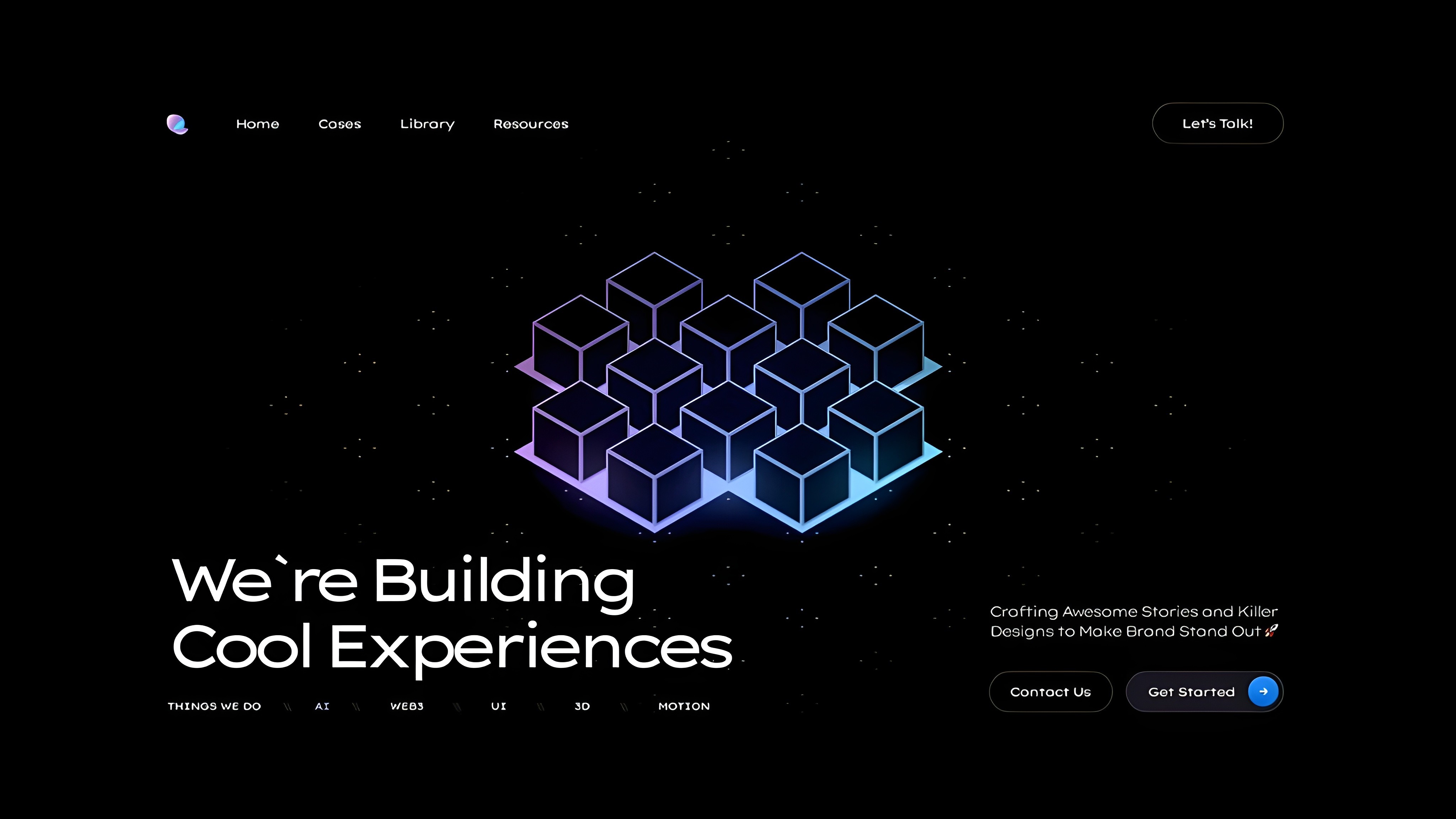
It looks insane but can your users even run it
It looks insane but can your users even run it
Now a lot of designers genuinely love how accessible it is. You do not need years of 3D experience to create something that looks impressive. You can jump in, experiment, and within a short time you have something interactive and visually engaging. It brings back that sense of play, that feeling of actually enjoying the process instead of just trying to get things done. People are creating hero sections that move with the user, product visuals that feel tangible, and storytelling experiences that actually hold attention longer than a few seconds. But then there is the other side. Performance. This is the part that keeps coming up again and again. Because as beautiful as these scenes are, they can get heavy. Not every user has a high end device, and if your site starts lagging or struggling to load, all that beauty becomes a problem.
Now a lot of designers genuinely love how accessible it is. You do not need years of 3D experience to create something that looks impressive. You can jump in, experiment, and within a short time you have something interactive and visually engaging. It brings back that sense of play, that feeling of actually enjoying the process instead of just trying to get things done. People are creating hero sections that move with the user, product visuals that feel tangible, and storytelling experiences that actually hold attention longer than a few seconds. But then there is the other side. Performance. This is the part that keeps coming up again and again. Because as beautiful as these scenes are, they can get heavy. Not every user has a high end device, and if your site starts lagging or struggling to load, all that beauty becomes a problem.
Developers also have their concerns. Some feel like using tools like this takes away a level of control they are used to having when building things manually. And then there is the bigger question of where exactly this fits.
Is it for full applications, or is it best used in specific moments like landing pages and showcases. So while people are excited, there is still that slight hesitation in the background like… okay this is powerful, but let’s not get carried away.
Developers also have their concerns. Some feel like using tools like this takes away a level of control they are used to having when building things manually. And then there is the bigger question of where exactly this fits.
Is it for full applications, or is it best used in specific moments like landing pages and showcases. So while people are excited, there is still that slight hesitation in the background like… okay this is powerful, but let’s not get carried away.
What this really means for designers going forward
What this really means for designers going forward
This is where everything starts to connect, because Spline is not just another design tool you add to your list and forget about. It represents a shift in how we think about the web itself. For years, the focus has been on making things cleaner, faster, more minimal. And that worked.
But now there is this growing push toward making things more immersive, more interactive, more engaging in a way that feels natural and not forced. Spline is part of that movement. It is showing designers that they can go beyond flat layouts and start thinking in terms of space, depth, and motion that reacts to the user. But at the same time, it comes with responsibility.
This is where everything starts to connect, because Spline is not just another design tool you add to your list and forget about. It represents a shift in how we think about the web itself. For years, the focus has been on making things cleaner, faster, more minimal. And that worked.
But now there is this growing push toward making things more immersive, more interactive, more engaging in a way that feels natural and not forced. Spline is part of that movement. It is showing designers that they can go beyond flat layouts and start thinking in terms of space, depth, and motion that reacts to the user. But at the same time, it comes with responsibility.

Just because you can add 3D does not mean you should throw it into every project. It has to serve a purpose. It has to make the experience better, not just louder. The designers who will stand out are not the ones using it the most, but the ones using it the smartest. The ones who understand when it adds value and when it becomes unnecessary noise. So right now, you are at a point where you can choose to ignore it and stay comfortable, or explore it and figure out how it fits into your work. Because whether you fully adopt it or not, one thing is clear.
The web is slowly shifting from something you just look at to something you actually experience. And tools like Spline are pushing that change forward whether we are ready or not.
Just because you can add 3D does not mean you should throw it into every project. It has to serve a purpose. It has to make the experience better, not just louder. The designers who will stand out are not the ones using it the most, but the ones using it the smartest. The ones who understand when it adds value and when it becomes unnecessary noise. So right now, you are at a point where you can choose to ignore it and stay comfortable, or explore it and figure out how it fits into your work. Because whether you fully adopt it or not, one thing is clear.
The web is slowly shifting from something you just look at to something you actually experience. And tools like Spline are pushing that change forward whether we are ready or not.